Screw Capping Machine Tanzania
Technogen Enterprise offers a broad range of Screw Capping Machines for Tanzania for pharmaceutical, food, beverage, cosmetic, chemical, nutraceutical and allied bottle-packaging applications. As a Screw Capping Machine Manufacturer and Supplier for Tanzania, we provide multiple capping configurations to suit different bottle formats, screw-cap designs, torque requirements and production capacities.
The range includes Automatic Single Head Screw Capping Machines, Semi Automatic Screw Capping Machines, Automatic Linear Capping Machines, Pick And Place Screw Capping Machines, Automatic Rotary Bottle Screw Capping Machines and Automatic Single Head Servo Torque Screw Capping Machines.
This variety allows the capping method to be selected according to the actual closure application rather than attempting to use one machine architecture for every bottle and cap.
How Screw Capping Works
Screw capping involves positioning a threaded closure onto a compatible bottle neck and tightening it to the required condition.
The actual tightening method varies according to the machine. Some systems use a dedicated capping head, while linear machines can use progressive tightening arrangements as the bottle travels through the machine. Rotary systems use multiple capping stations for higher-output continuous operation.
Cap geometry, thread profile, bottle stability and torque requirement influence capping performance. For applications where controlled closure torque is particularly important, a servo-based capping system may be considered depending on the project requirement.
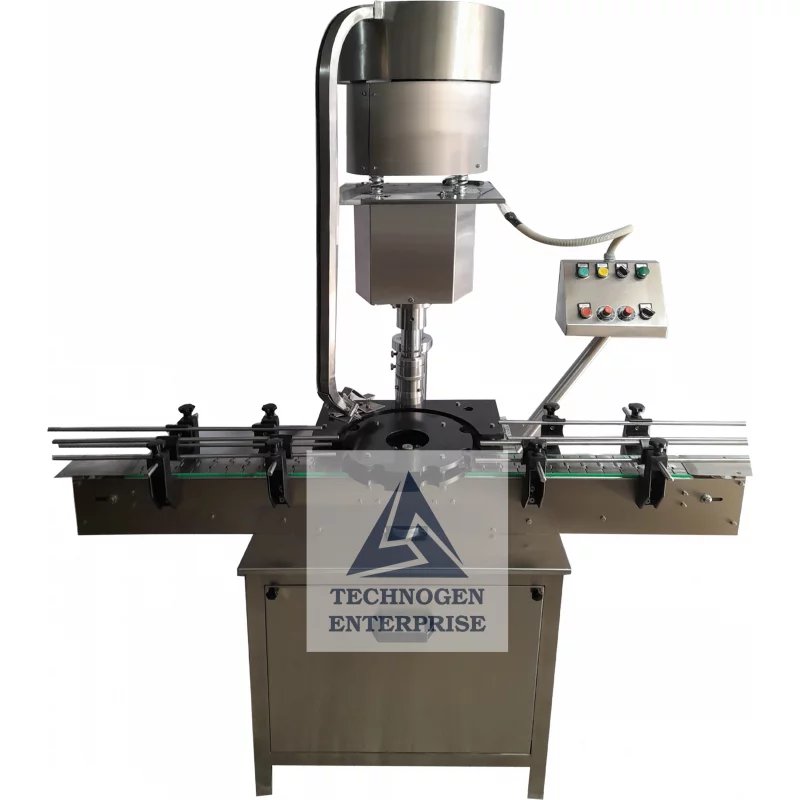
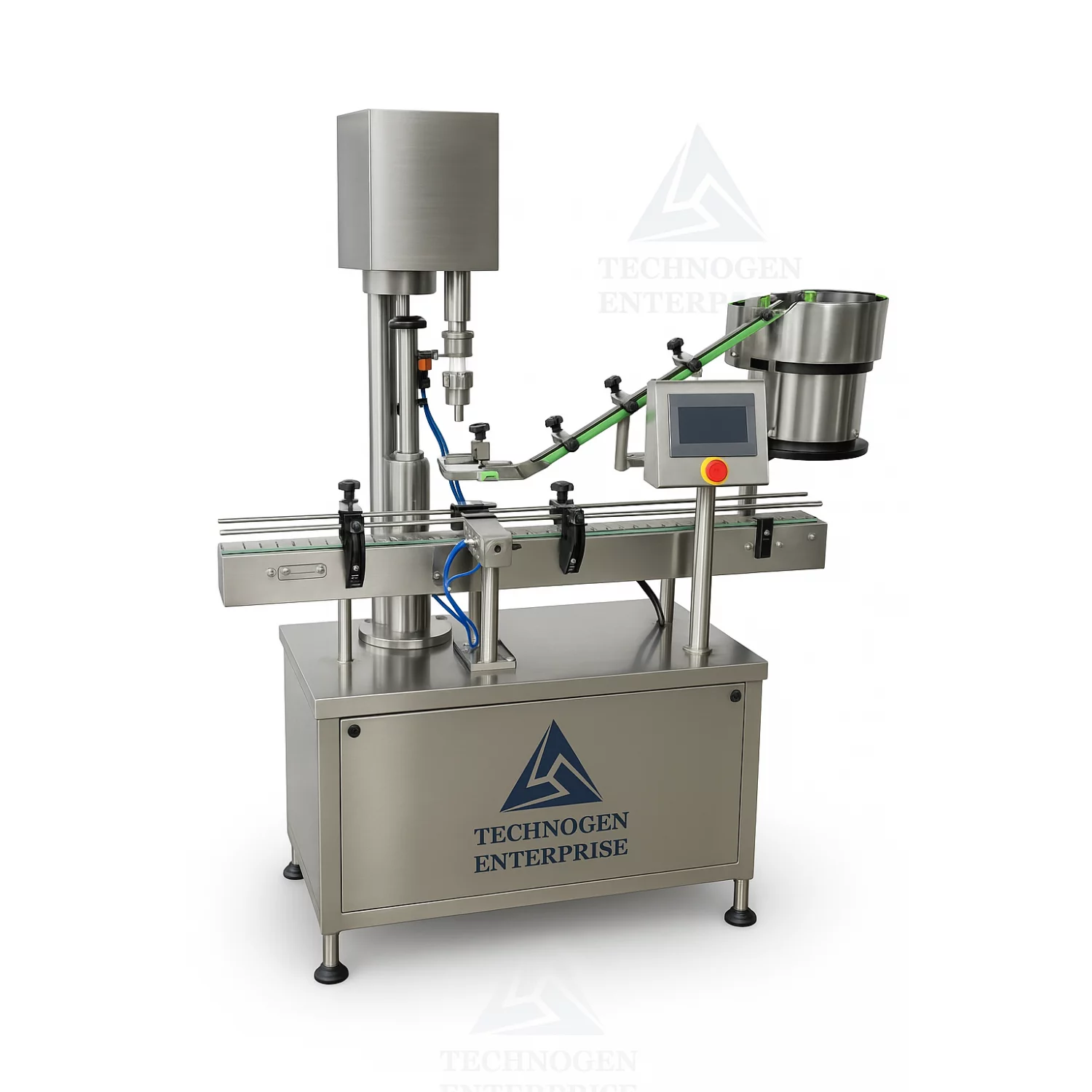
Automatic Single Head Screw Capping Machine
A single-head automatic screw capper provides continuous bottle handling with one primary capping station.
This configuration can suit manufacturers seeking automatic production at moderate output. Depending on the application, the machine can be incorporated after filling and before labeling or sealing operations.
Bottle size, cap dimensions, production rate and the required cap-feeding arrangement should be evaluated before machine selection.
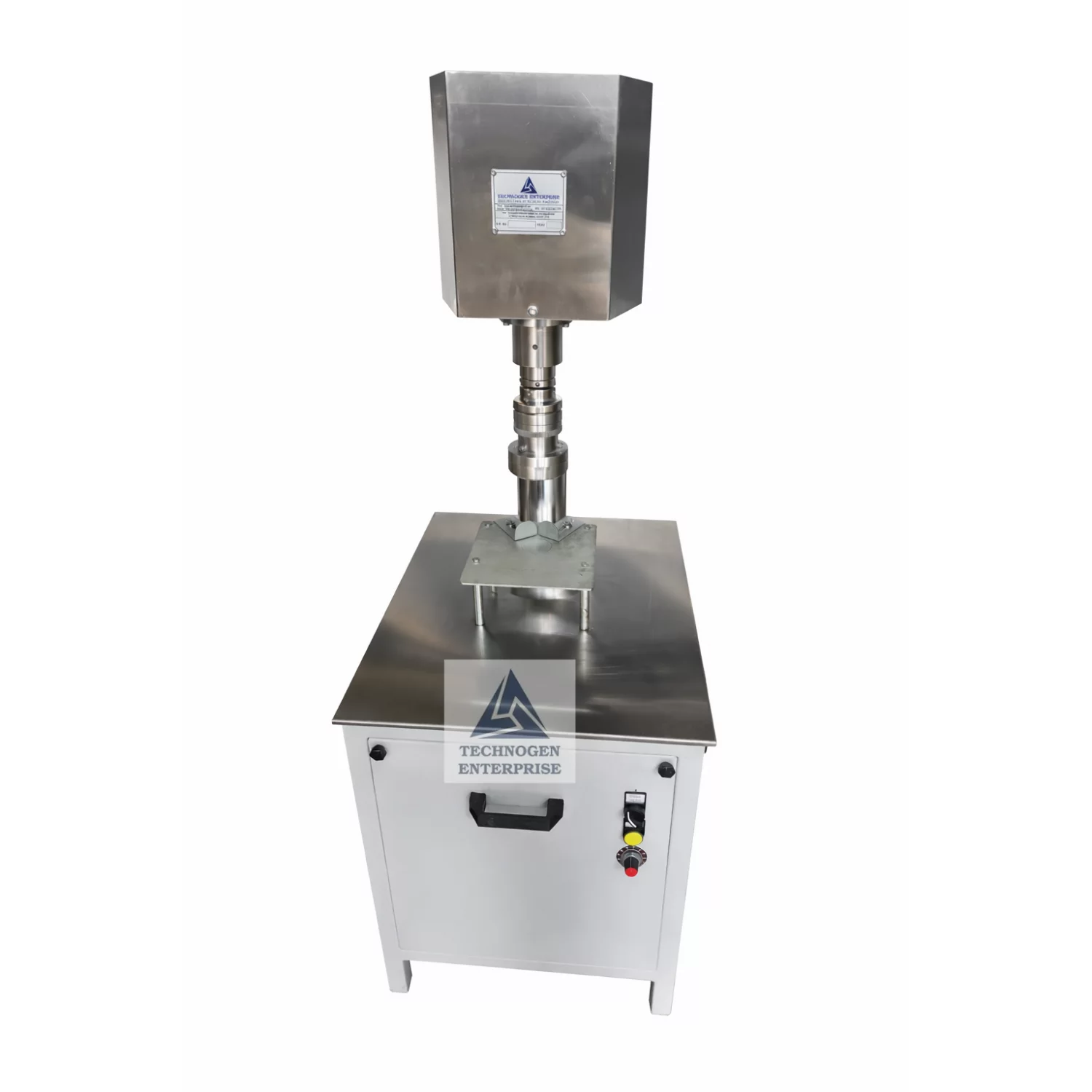
Semi Automatic Screw Capping Machine
Semi-automatic screw capping is suited to lower production volumes, specialised products and operations where manual container or closure positioning is practical.
It provides a useful intermediate level between fully manual tightening and continuous automatic capping. This can make it suitable for smaller production units, batch manufacturing or applications with comparatively modest output requirements.
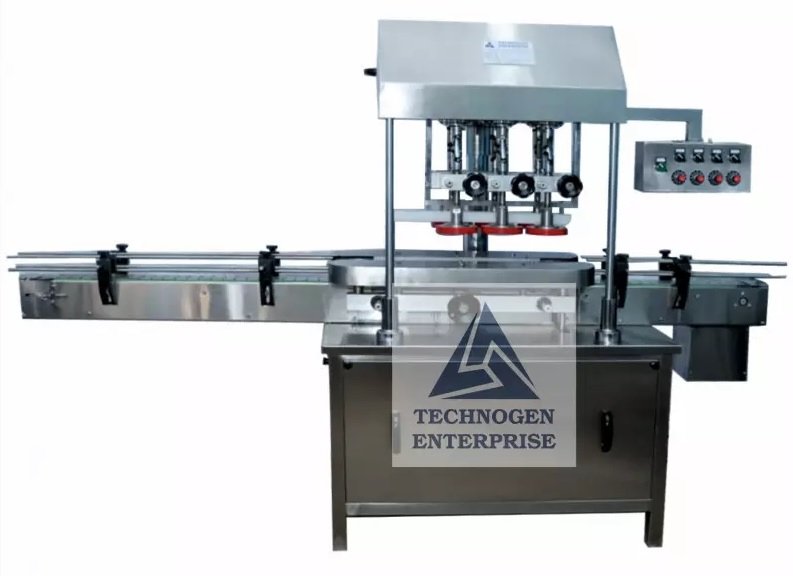
Automatic Linear Capping Machine
Linear capping systems are designed to tighten screw closures while containers move through a straight-line arrangement.
They can offer flexibility for compatible bottle and cap formats and may be attractive where continuous operation and comparatively quick product changeovers are important.
The exact suitability depends on bottle geometry, closure dimensions, conveyor conditions and desired output.
Pick And Place Screw Capping Machine
Pick-and-place capping technology is used where closures are positively picked and positioned before tightening.
This approach can be suitable for applications where controlled cap placement is important before the final capping operation. Machine configuration should be matched to the closure geometry, cap-feeding arrangement, bottle dimensions and required production output.
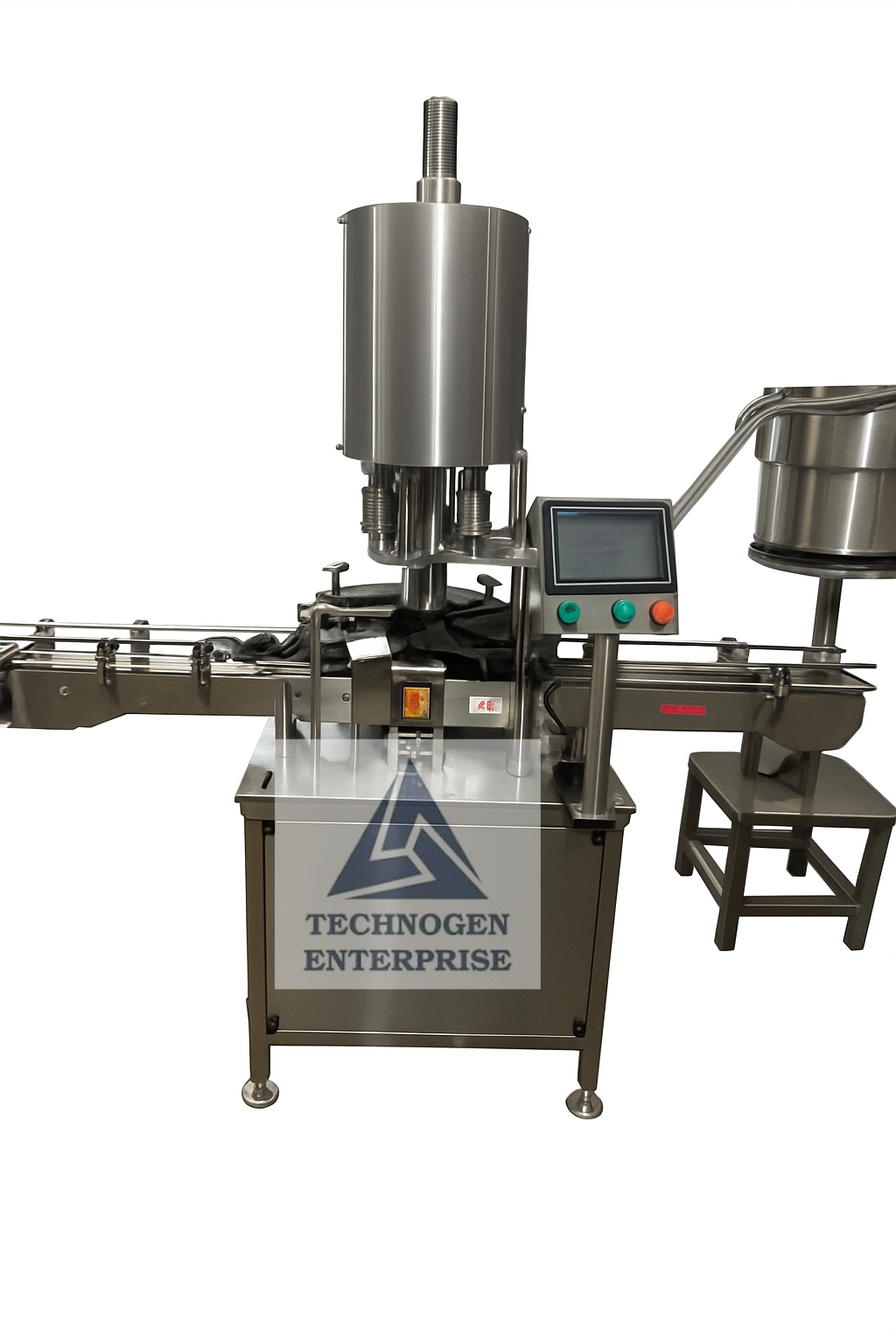
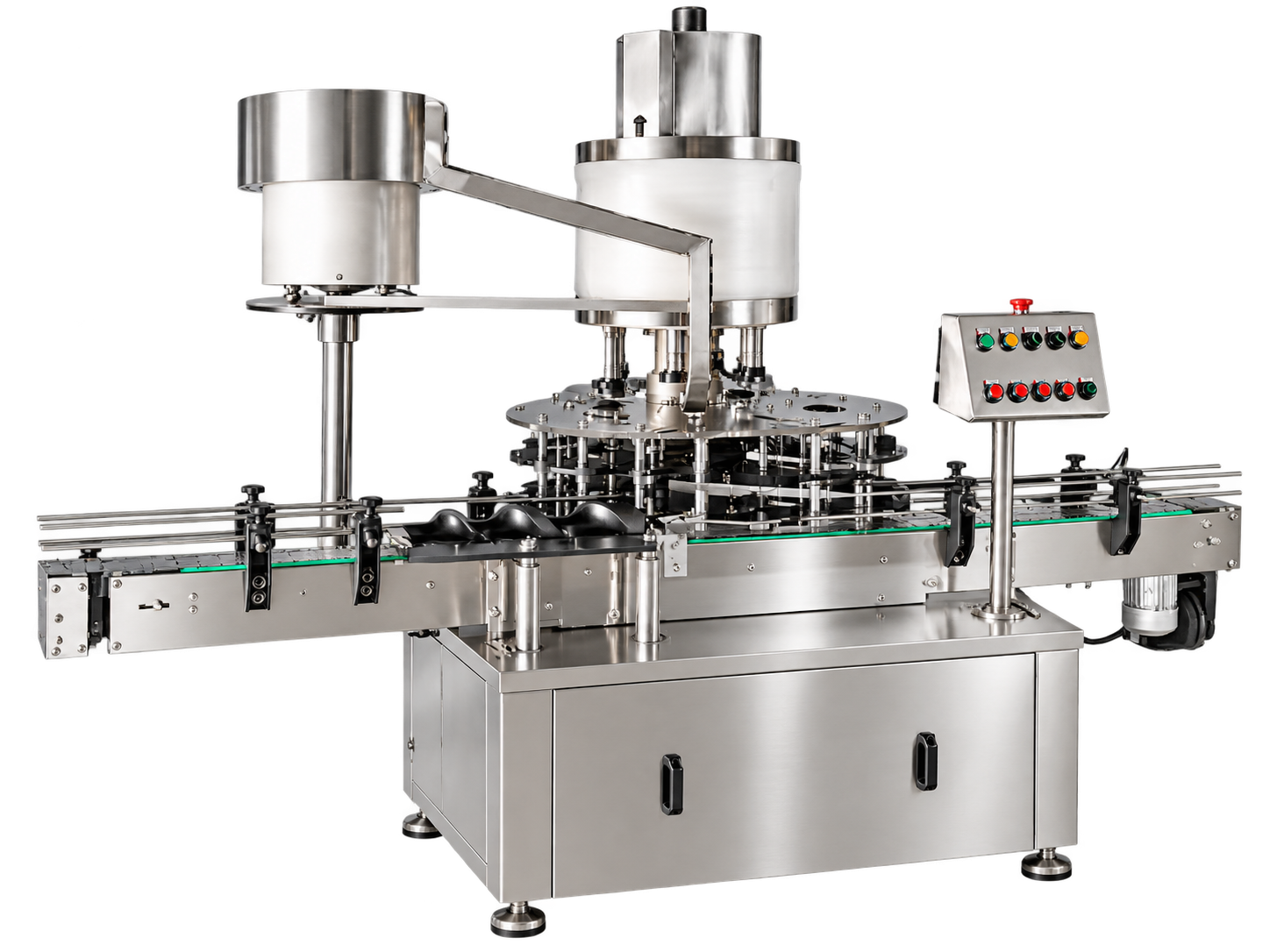
Automatic Rotary Bottle Screw Capping Machine
Rotary screw capping machines are intended for higher-capacity packaging lines requiring continuous bottle handling.
Multiple capping heads can operate around a rotary platform, allowing several containers to be processed during each machine cycle. This architecture is particularly relevant where the required output is beyond the practical range of smaller single-head systems.
Rotary machine selection should consider production speed, bottle range, cap dimensions, factory space and integration with other high-speed packaging machinery.
Automatic Single Head Servo Torque Screw Capping Machine
Servo torque capping is suitable for applications where more precise control over the tightening process is required.
The servo system allows the capping operation to be controlled according to the specified machine configuration and closure requirement. This can be valuable where consistent tightening torque is a significant packaging consideration.
Actual torque settings and suitability should be established using the bottle and closure being processed.
Choosing the Correct Screw Capping Technology
With six machine configurations available, machine selection should begin with the packaging requirement.
Lower-volume operations may find a semi-automatic solution appropriate. Automatic single-head machines can suit moderate continuous production. Linear systems can provide flexible straight-line operation, while rotary machines address higher production capacities.
Pick-and-place technology should be considered when the closure application requires positive cap positioning, while servo torque systems are appropriate where controlled tightening is a key requirement.
The cap itself is just as important as the required speed. Cap diameter, height, thread profile, tamper-evident features, bottle-neck design and closure material can all affect the preferred capping system.
Applications Across Tanzania Industries
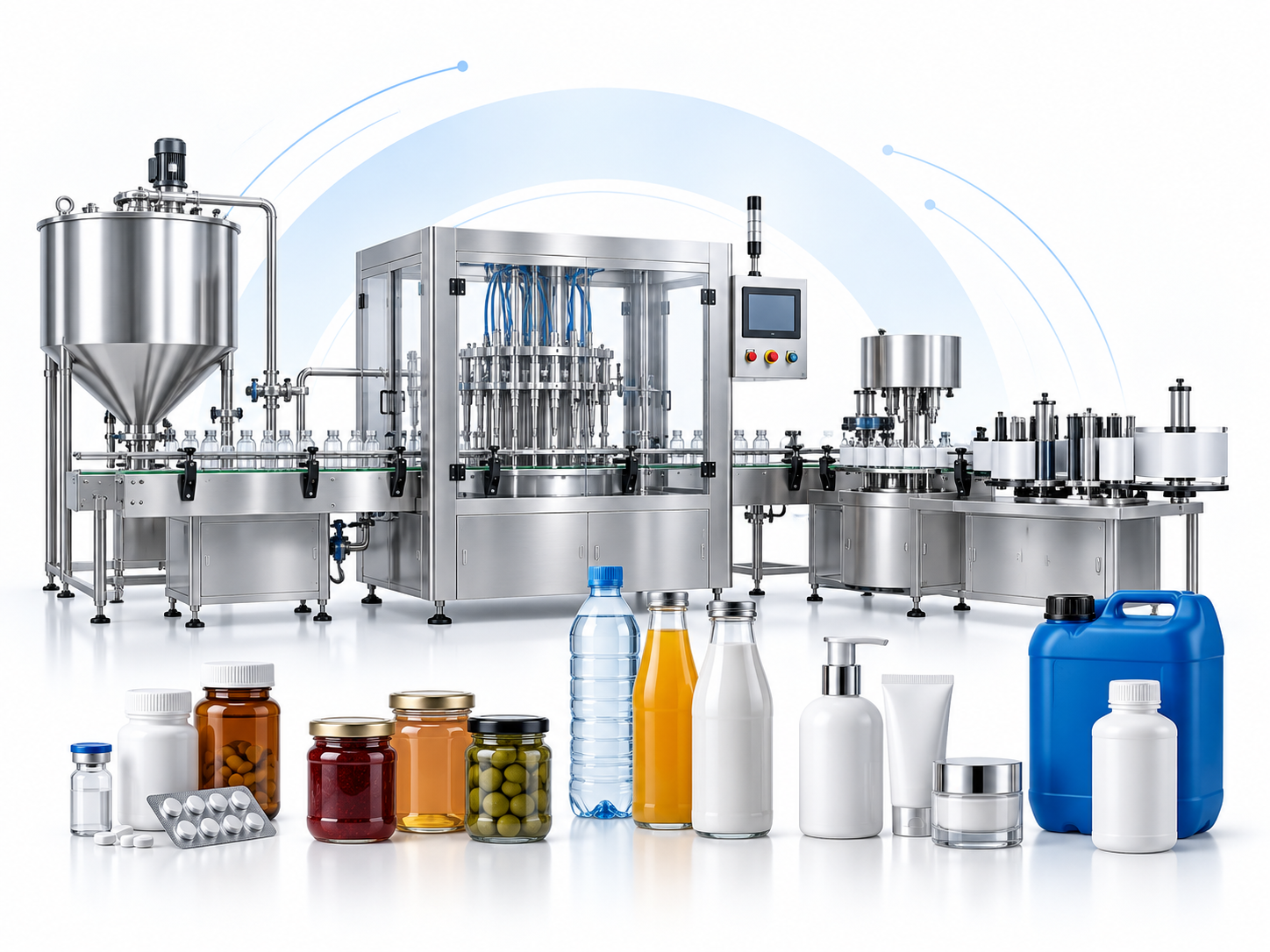
Screw closures are widely used across pharmaceutical, food, beverage, cosmetic, personal-care, nutraceutical, chemical and household-product packaging.
Manufacturers in Tanzania may require screw capping for plastic, PET, glass or other compatible containers depending on the application and machine configuration.
For projects in Dar es Salaam and other industrial centres across Tanzania, the correct machine should be selected from actual packaging samples wherever possible.
Screw Capping Machine Manufacturer and Supplier for Tanzania
Technogen Enterprise supports customers looking for a Screw Capping Machine Manufacturer and Supplier for Tanzania with a choice of semi-automatic, single-head, linear, pick-and-place, rotary and servo torque technologies.
Customers can share bottle and cap samples or drawings, container dimensions, required output and integration requirements. These details allow the capping method and machine configuration to be evaluated according to the actual project rather than simply matching a nominal production speed.